The Hidden Risk of Trading on News: When Headlines Whipsaw the Market
Traders love big headlines. A geopolitical shock, an unexpected policy announcement, a President’s bold declaration — these can send markets moving fast. But fast isn’t always real. And that’s where the true danger lies: whipsaw moves, where prices rally or collapse on the news only to reverse just as quickly.
This week offered a perfect case in point.
On Monday, U.S. energy stocks spiked after President Trump’s announcement that the U.S. had taken control of Venezuela and signaled oil industry involvement. Energy names like Chevron and Exxon Mobil jumped sharply — only to give much of those gains back as traders reassessed the news. Oil prices barely budged and many analysts pointed out that Venezuela currently accounts for a tiny fraction of global supply and that rebuilding its battered energy infrastructure will take years.

For traders who chased that initial surge, it would have felt like being on a roller coaster: you enter on the hype, then get pitched out as reality settles in. That’s a classic whipsaw — a rapid directional move followed by a swift reversal that can trap momentum chasers on the wrong side of the trade.
Contrast that with the market action after the President’s later announcement — that large institutional investors would be restricted from buying residential property. Homebuilders and construction stocks rallied for two days.
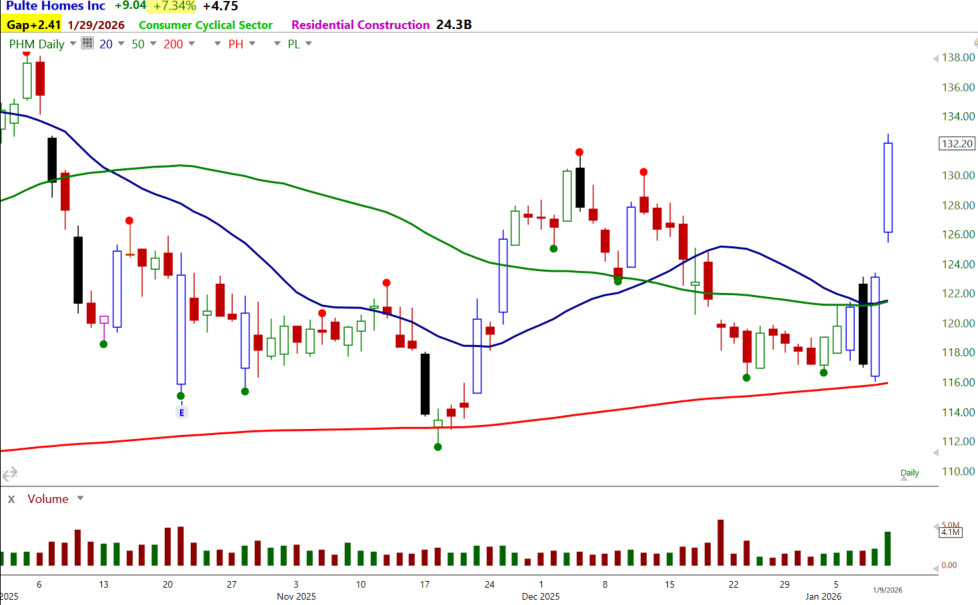
So far, that move has held. But you wouldn’t know whether it’s real or just a delayed whipsaw until the dust settles and the price confirms with real structure.
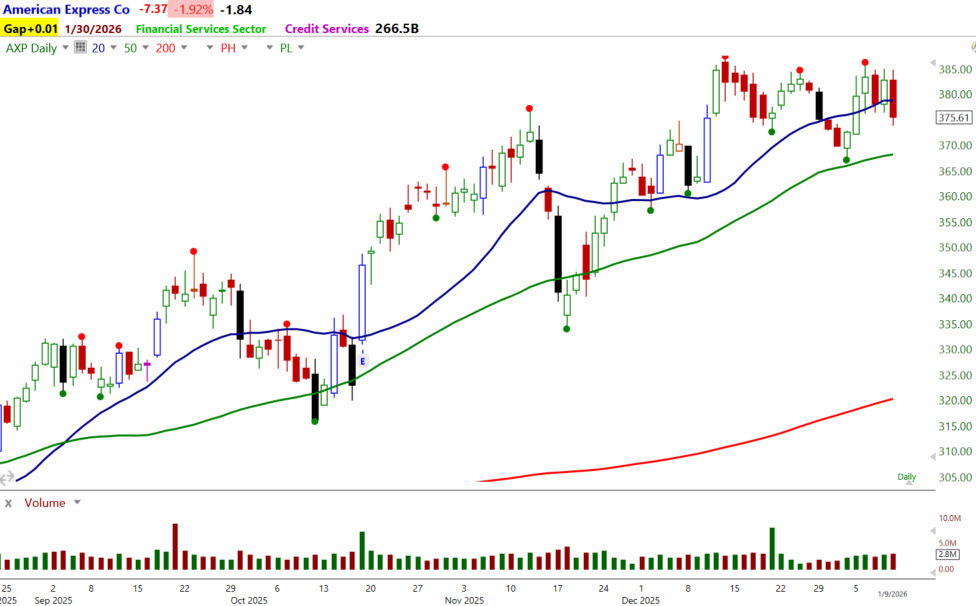
And over the weekend, the President proposed a 10% cap on credit card interest rates — an idea that could pressure credit card company stocks. Speculation will move names like Capital One, American Express, and Visa.
So how do you decide which news is tradable versus which news is just noise?
Here’s the truth many traders wish were simpler:
You can’t reliably predict whether the market will follow through on any piece of news.
That’s because whipsaw moves aren’t caused by news per se — they’re caused by market volatility and uncertainty, which create erratic price action. Sharp directional moves driven by headline reaction that reverse quickly are exactly the definition of a whipsaw.
Why news-driven moves often fail traders
- Initial headlines trigger knee-jerk reactions. Retail and algorithmic traders rush in before the implications are fully understood.
- Volatility spikes, then fades. Early traders can get caught on the wrong side when sentiment normalizes.
- Price action lacks structure. News doesn’t create trends; real trends show persistent buyers/sellers over multiple bars and setups.
That’s why many professional traders don’t trade news events themselves — they trade setups that form after the dust settles. They let the market interpret the news, consolidate, and then look for proven technical patterns.
If a trend or a high-probability setup appears, they take it. If not, they stay flat.
The smarter play
Don’t try to guess whether the news is good enough to create a lasting move.
Wait for valid patterns that are part of a proven plan.
Let the smoke clear and watch the price action — not the headlines.
Because in the end, it’s the market’s reaction on the charts that matters — not the hype around the story.